







Search Results for: Arusha coffee farms
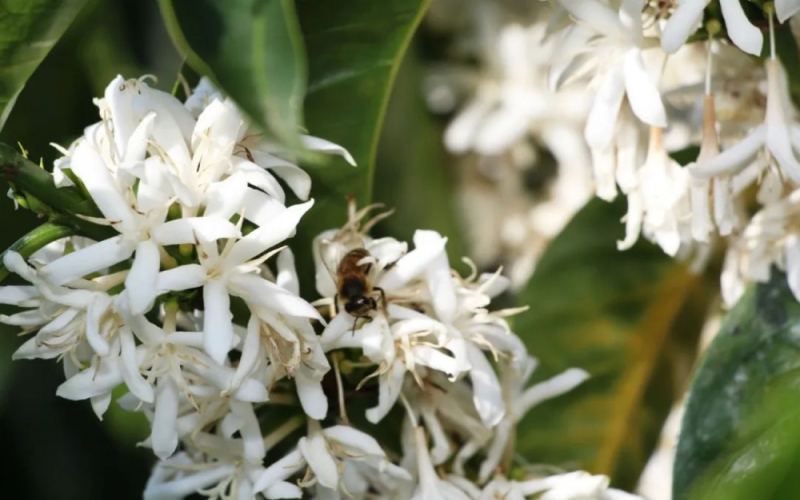
From Farm to Cup: The Rise and Challenges of Tanzania's Coffee Tourism
In Tanzania, a model of agritourism that combines coffee cultivation with tourism experiences is quietly developing. Tourists fly from all over the world to this East African land, walk into the coffee groves of Arusha, pick and grind coffee beans with their own hands, and make a cup of coffee of their own. Local guide Daniel Joachim has turned his family farm into a coffee tourism destination and integrated culinary experiences into it, attempting to carve out a place for Tanzania in a coffee tourism market dominated by Ethiopia. Coffee tourism in Arusha once peaked in 2013 and still attracts tourists from Europe, Japan, and the United States. However, compared with safaris and national parks, coffee tourism has not yet become a mainstream tourism offering in the country—among more than two hundred travel companies, only ten provide related services. [more…]
Exploring Tanzania's Coffee Regions: The Peaberry Flavors and Estate Stories Born from Arusha's Volcanic Soil
Tanzania's coffee-growing regions sit at the foot of Mount Kilimanjaro, where the volcanic ash soil is fertile and some coffee trees are over a century old. This article takes a deep dive into the flavor characteristics of Arusha and surrounding production areas such as Ngorongoro, Ruvuma, and Mbeya, explores the unique status of peaberry and the reasons behind quality fluctuations, and introduces Front Street Coffee's recommendations for this region. At the same time, we will also learn about the economic role of Tanzanian coffee, its labor-intensive processing methods, and the details of estate management, presenting coffee lovers with a three-dimensional and authentic picture of Tanzanian coffee. [more…]
Papua New Guinea Kimel Estate Peaberry: Flavor Profile, Growing Background, and Pour-Over Parameters Explained
Although Papua New Guinea is not a major coffee-producing country, it has secured a place in Oceania's specialty coffee scene thanks to its washed Arabica beans. The Kimel Estate, located in the Wiki Valley of the Western Highlands, is jointly owned by smallholder farmers of the Opais ethnic group, who cultivate diverse varieties such as Typica, Arusha, and Blue Mountain, producing coffee that combines bright fruit acidity with a rich, full-bodied mouthfeel. This article focuses on the Kimel Estate PB peaberry beans sourced by Front Street Coffee, outlining their origin terroir, cultivation history, variety composition, and washed processing method, along with pour-over brewing parameters and flavor descriptions, to give you a complete understanding of this unique bean with high body, medium acidity, and notes of nuts, sugarcane, and spice. [more…]
An In-Depth Analysis of Tanzania's Coffee Bean Grading System and the Flavor of the Kilimanjaro Region
Tanzanian coffee is grown in the fertile soils of the East African Rift Valley, structured around bright acidity and medium body, interwoven with blackcurrant, sweet citrus, and floral notes, suitable for both hot and iced drinks. This article systematically reviews its washed processing characteristics, estate bean grading logic, and transportation aging risks, explains in detail the terroir of core producing regions such as Kilimanjaro, Moshi, and Arusha, and introduces representative brands such as Africafe and Tanica Cafe as well as the cultural origins of the "coffee gentleman." It also focuses on industry developments such as Tanzania's promotion of domestic sales and the addition of six new coffee-producing regions, providing coffee enthusiasts with a comprehensive and professional guide to the producing region. [more…]
Tanzania Kilimanjaro Specialty Coffee Beans: A Complete Analysis of Flavor, Aroma Characteristics, and Brewing Key Points
Front Street Tanzania Kilimanjaro coffee is known for its plump, evenly sized large beans. The beans have a grayish-green color, a bright acidity, and a sweet aroma, with an overall excellent flavor performance. After medium roasting, sweetness and a crisp acidity coexist, while dark roasting shifts it to a mellow bitterness, and it is also often used in blends. This article will focus on the flavor, mouthfeel, and aroma characteristics of this coffee, outlining suitable brewing methods and single-origin preparation ideas, and introducing the Tanzanian coffee industry, the Kilimanjaro production area, and its position in the national economy. It will also supplement background information on Tanzania regarding minerals, natural gas, helium, and administrative divisions, helping you understand this Front Street Kilimanjaro coffee more completely from origin to cup. [more…]
Analysis of Papua New Guinea Coffee Flavors: Nutty and Brown Sugar Notes with Washed Characteristics of Kimel Estate Peaberry
Papua New Guinea lies between the equator and 10 degrees south latitude in Oceania, with tropical rainforest volcanic soil and highland terrain ranging from 1,200 to 2,500 meters, making it an ideal region for specialty Arabica coffee. This article focuses on the peaberry from Kimel Estate sourced by Front Street Coffee, outlining the country's coffee industry background, its variety diversification strategy, and the flavor direction brought by washed processing. Kimel Estate is jointly owned by smallholder farmers of the Opais people and is equipped with a dedicated washing station, producing coffee with both bright acidity and a solid body. This peaberry from Front Street Coffee presents the sweetness of spices, nuts, and sugarcane, with a creamy smoothness, low acidity, and balance, making it suitable both as a single origin and as a base bean for blends, and it has attracted growing attention from enthusiasts in recent years. [more…]
A detailed explanation of Papua New Guinea coffee bean characteristics: Bird of Paradise variety, grading system, and flavor profile
Papua New Guinea's coffee industry has a unique history and multicultural background. From the Jamaican Blue Mountain Typica variety introduced during the colonial period to today's "coffee garden" model dominated by smallholder farmers, it has formed a distinctive regional character. This article will systematically review the core characteristics of Papua New Guinea coffee beans from the perspectives of historical origins, variety traits, green bean grading systems, and flavor performance. At the same time, Front Street Coffee will also combine its own sourcing experience to recommend Bird of Paradise coffee products worthy of attention for coffee lovers. [more…]
An Analysis of Papua New Guinea Coffee Flavor Characteristics and Brand Recommendation Guide
Papua New Guinea is located in Oceania, between the equator and 10 degrees south latitude, with volcanic soil and highland terrain at elevations of 1,200 to 2,500 meters, making it an ideal place for coffee cultivation. Local coffee production is not large, with about 85% produced by smallholder garden cultivation systems, and coffee is the country's second-largest agricultural export. Because the varieties differ from those of Indonesia, the elevation is higher, and washed processing is used, PNG coffee presents a bright, sweet-and-sour taste with floral and fruity aromas, in a style close to South America. Front Street Coffee Papua New Guinea Kimel Estate Peaberry has a cup profile with spice, nuts, and sugarcane sweetness, creamy smoothness, and an overall balanced and solid character. This article will introduce in detail its flavor characteristics, growing region background, and brand choices. [more…]

Papua New Guinea Bird of Paradise Coffee Beans: Little Blue Mountain Flavor, the Sigri Estate Story, and Brewing Methods
Although Papua New Guinea is not a widely known coffee origin, its volcanic soil and rainforest climate nurture coffees that are bright, sweet-tart, and full of floral and fruity aromas—a style all its own, completely distinct from neighboring Indonesia. This article will guide you through the history, growing regions, and grading system of Papua New Guinea coffee, with a special focus on Front Street Coffee's Sigri Estate Bird of Paradise coffee beans. We'll break down their flavor characteristics, the estate's story, and Front Street's recommended brewing parameters and techniques—perfect for coffee lovers eager to explore the diversity of the Asia-Pacific growing regions. [more…]
The Terroir Origins and Cupping Performance of Coffee Beans from Kimel Estate in the Bird of Paradise Region of Papua New Guinea
Papua New Guinea is located in Oceania and, with its volcanic soil and highland terrain, is a potential specialty coffee producing region. This article begins with the origin of the country's name and its climate and terroir, then outlines the local coffee cultivation system and variety diversity, and focuses on the washed processing and flavor characteristics of Kimel Estate. The article also explains the true meaning of "acidity" in the context of coffee, compares the sensory difference between acidity and astringency, and explains how roast level affects the expression of sourness. Finally, it brings recommendation information for Front Street Coffee (FrontStreet Coffee) PNG Waghi Valley Kimel, suitable for readers who want to understand the character of Oceania coffee. [more…]
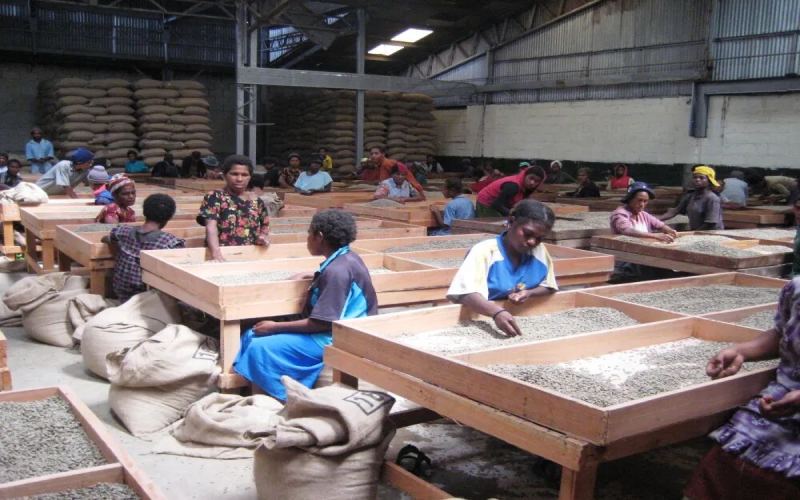
PNG Coffee Grades | How Are Papua New Guinea Coffee Beans Graded? What Are the Characteristics of Sigri Estate Bird of Paradise Washed Coffee?
You may find the coffee origin of Papua New Guinea a bit unfamiliar, but Front Street Coffee believes that Front Street Papua New Guinea coffee stands out as a unique presence among coffees. Papua New Guinea is located in the southwestern Pacific, along the Pacific Ring of Fire, and is geologically volcanic, with fertile volcanic soil, making it [more…]
Tanzanian Coffee Full Analysis: AA-Grade Flavor and Mouthfeel, Kilimanjaro Region and Processing Methods
Tanzania, as a major coffee-producing country in East Africa, is known for its Kilimanjaro AA-grade beans, which are celebrated for their plump size and pure flavor. Front Street Tanzania AA, as the highest-grade representative of the country, has a mild and even acidity, with a unique texture reminiscent of tomato or soda, and a rich aroma after medium or darker roasting. From its development during the German and British colonial periods to the boost given by Hemingway's novels, Tanzanian coffee has earned the reputation of "coffee gentleman" and is known, along with Blue Mountain and Mocha, as one of the "Three Musketeers of Coffee." This article will explore Front Street Tanzanian coffee beans from multiple dimensions, including their characteristics, flavor description, mouthfeel, varieties, origin, and processing methods, to give you a comprehensive understanding of the unique charm of this famous East African specialty. [more…]
Tanzania Kilimanjaro Coffee Flavor Analysis, Pour-Over Techniques, and the Latest Overview of Specialty Producing Regions
Kilimanjaro coffee comes from the area around Mount Kilimanjaro, the highest peak in Africa, and is one of Tanzania's most representative specialty coffees. This article will guide you through its flavor characteristics, grading system, and growing region background, and share suitable pour-over methods. Kilimanjaro AA beans are plump with a mellow acidity, often carrying notes of cocoa and fruity aromas, and are hailed as "the coffee with the most African character." Front Street Coffee will also recommend Tanzania beans worth trying, helping you easily brew a cup of fragrant Kilimanjaro. [more…]

Exploring Mbeya, Tanzania: How the Southwestern Highlands Became a Premium Coffee Region
Although Tanzania is not as famous as its neighbor Kenya, it also produces coffee of remarkable quality. From the introduction of coffee trees during the German colonial period to the southward shift of the industry's focus after independence, this East African country, with its high altitude, volcanic soil, and abundant water, has given rise to several distinctive producing regions. Among them, Mbeya in the southwest is gradually attracting attention. Not only does it have cool highlands suitable for coffee cultivation, but it is also home to the Aing'e Agricultural Marketing Cooperative, known for its democratic management. This article will guide you through the evolution of Tanzanian coffee and take a deeper look at the Mbeya producing region to see how it became an agricultural trade center in the country's southwest. [more…]

Flavor Analysis and Brewing Characteristics of Papua New Guinea Kimel Estate Little Blue Mountain Coffee Beans
Papua New Guinea coffee has long been overshadowed by Indonesian coffee, but its bright floral and fruity notes, balanced acidity and sweetness, and ideal growing conditions are attracting more and more attention from coffee lovers. Front Street Coffee has set its sights on this Oceanian country to explore its unique coffee culture in depth. This article will guide you through the distribution of coffee-producing regions in Papua New Guinea and the green bean grading standards, with a focus on the Kimel Estate—an estate jointly owned by smallholder farmers of the Opais tribe—and how, with its volcanic rock soil and diverse varietal cultivation, it produces the Typica coffee known as "Little Blue Mountain." From the estate's history to its cupping flavors, from the growing environment to the processing methods, we offer a comprehensive analysis of this coffee's unique charm. [more…]
In-Depth Analysis of Asian Coffee Producing Regions: Flavor Characteristics and Roasting Suggestions for Yunnan, Mandheling, and Other Bean Varieties
Asian coffee regions are world-renowned for their rich, deep, and steady flavor profile. From Yunnan, China to Sumatra, Indonesia, and from India to Papua New Guinea, each region has its own distinctive cup characteristics and processing methods. This article will guide you through an in-depth look at the flavor traits, suitable roast levels, and the stories behind the major Asian coffee regions. For coffee lovers who enjoy espresso blends, Asian beans are often used as a base in recipes, and Mandheling in particular is the go-to choice for dark roasting. Front Street Coffee recommends paying attention to the taste differences between Yunnan coffee and Indonesian Mandheling, as this will help you better choose coffee beans that suit your own preferences. Whether you are after a full-bodied cup or a delicate flavor, Asian regions can offer abundant choices. [more…]
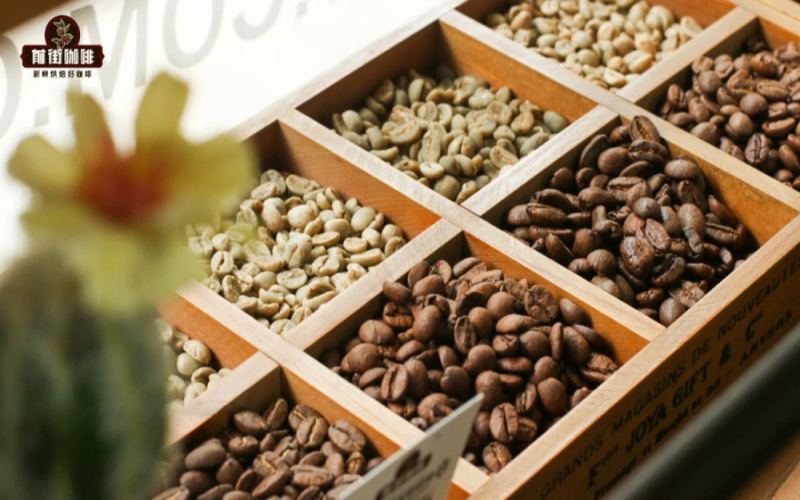
Papua New Guinea Bird of Paradise Coffee Beans: Grading System, Washed Process, and Flavor Analysis of Sigri Estate
Today, Front Street is going to introduce a coffee with a poetic name—Bird of Paradise. It comes from Papua New Guinea in Oceania and is named after the country's national bird, exported far and wide. This PNG AA Sigri Estate Arabica coffee carries the lineage of Jamaican Blue Mountain Typica, grown at 1,500 to 1,700 meters in the Waghi Valley of the Western Highlands, and is processed using a refined combination of triple washed fermentation and sun-drying. Since the 1950s, Sigri Estate has been renowned for its strict quality control, insisting on hand-picking only fully red cherries, daily cupping, and refusing chemical agents. The estate is home to 90 species of birds, including the Bird of Paradise itself. This article will provide a complete analysis of this specialty coffee—which balances floral aromas, fruity acidity, and sweetness—covering its origin background, varietal heritage, processing methods, green bean grading, roasting curve, as well as cupping and brewing parameters. [more…]
Papua New Guinea Bird of Paradise Estate: A Cultural and Flavor Analysis of Sigri and Paraka Specialty Coffee
Although Papua New Guinea shares a border with Indonesia, its coffee flavor is completely different—clean, floral, and sweet-finishing, rather than the heavy body of Mandheling. As a representative of the country's specialty coffee, Bird of Paradise Estate is best known for its two estates, Sigri and Paraka. Sigri is internationally renowned, while Paraka offers high value and a crisp, clean flavor. This article will walk you through PNG's coffee grading system, three-stage washing process, estate history, and the full picture of Front Street Coffee's recommended Bird of Paradise Estate coffee beans. [more…]
Papua New Guinea Bird of Paradise Coffee: The "Little Blue Mountain" Flavor of the Typica Variety and a Brewing Guide
Papua New Guinea is hailed as a "Little Blue Mountain" producing region; its Typica variety originates from Jamaican Blue Mountain, and combined with an island-type highland growing environment, it displays a unique flavor balancing bright acidity with floral and fruity aromas. Starting from Front Street Coffee's sourcing practice, this article systematically reviews the country's producing regions, cultivation models, historical development, and grading system, with a focus on the terroir characteristics of Sigri Bird of Paradise Estate and Kimel Estate, and includes Front Street's roasting curves, cupping comparisons, and three-pour hand-brewing parameters. If you want to understand this island coffee that carries Blue Mountain lineage yet shows more pronounced fruity acidity, this article provides a complete knowledge framework and practical reference. [more…]

A Complete Guide to African Coffee Origins: Flavors and Signature Beans from Ethiopia, Kenya, and Beyond
Africa, as the continent where coffee originated, has given rise to coffee-producing regions with distinctly striking styles, among which Ethiopia and Kenya stand out in particular. This article systematically reviews the regional characteristics, variety systems, and processing methods of Africa's major coffee-producing countries—Ethiopia, Burundi, Kenya, Rwanda, and Tanzania—and introduces one by one the representative beans from each country currently sold by Front Street Coffee, covering popular lots such as Yirgacheffe, Sidamo, Gesha Village, and Kenya Little Tomato. Whether you prefer bright fruity acidity or rich fermented aromas, you can find your ideal choice on this African coffee map. [more…]